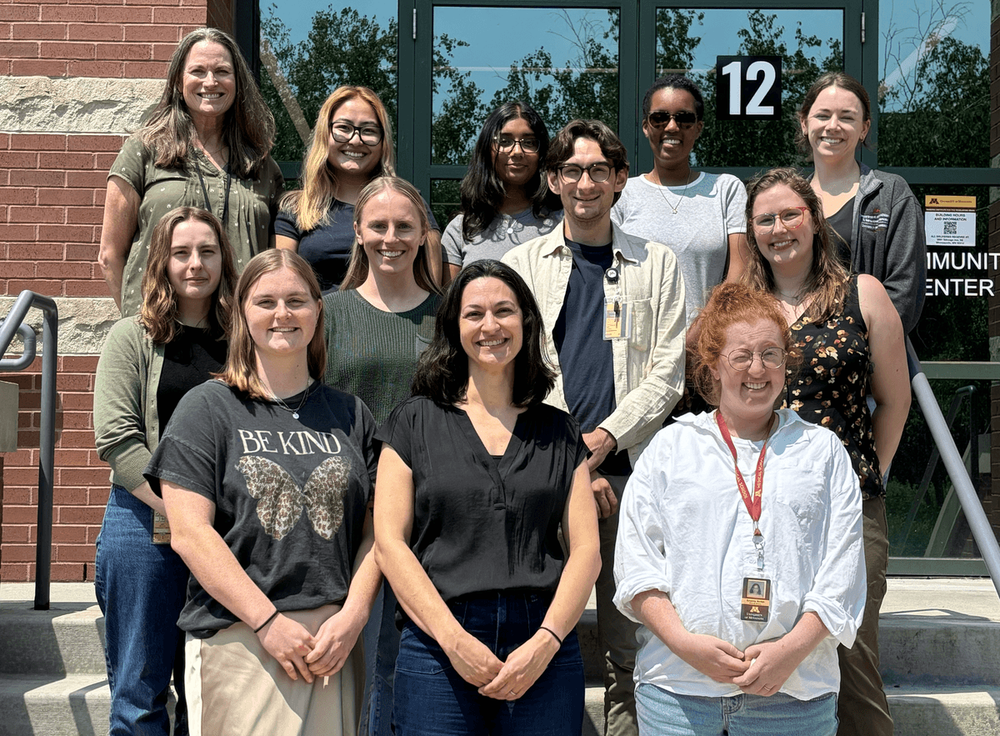
Tic Disorders and Tourette Syndrome
A neurological condition characterized by sudden, involuntary, rapid, and repetitive movements (motor tics) or sounds (vocal tics).
An evaluation can help clarify the presence of a tic disorder and co-occurring conditions. Evaluations can also inform treatment planning, including deciding which types of intervention may be beneficial. Clinical evaluations are available through our MIDB outpatient clinic team, which includes providers in psychology, child psychiatry, child neurology, and developmental-behavioral pediatrics. These evaluations typically involve 1-2 appointments. Recommendations may include treatment with our team or referrals to other providers.
Evaluations are also available elsewhere in the community. The Tourette Association of America has a "Find a Provider" tool on their website: https://tourette.org/find-a-provider/
Treatment is not always required for Tourette Syndrome and Tic Disorders. All individuals with tics can benefit from education about TS/Tic Disorders and guidance about creating appropriate supports across settings (home, school, etc). Behavioral treatment and/or medication may be considered if tics become distressing, painful, or interfere with daily functioning. Treatment may also be helpful if a co-occurring condition is causing challenges.
Treatment for TS/Tic Disorders is available through our MIDB outpatient clinic team, which includes providers in psychology, child psychiatry, child neurology, and developmental-behavioral pediatrics. Treatment plans are tailored to the individual and may include Comprehensive Behavioral Intervention for Tics (CBIT), cognitive-behavioral therapy for co-occurring conditions, and medication.
Treatment is also available elsewhere in the community. The Tourette Association of America has a "Find a Provider" tool on their website: https://tourette.org/find-a-provider/
Our MIDB research team, the Minnesota Tic and Compulsivity (MnTiC) Lab may also have opportunities to receive treatment through a research study: ticlab.umn.edu